
Exterior Wash & Safe Drying
Practical cleaning methods designed to safely remove UK road grime while minimizing the risk of inflicting swirl marks on your paintwork.
The Importance of the Wash Routine
Much of the visible damage on modern clear coats—often seen as fine, spider-web-like scratches in direct sunlight—originates from poor washing techniques. Sponges or automated brush washes can drag abrasive dirt particles across the surface.
Our exterior wash approach is methodical. We aim to remove as much dirt as possible before we ever physically touch the car, significantly reducing the friction during the contact phase.
Managing Everyday Grime
Driving in the United Kingdom exposes vehicles to a specific mixture of contaminants: motorway spray, fine soot, agricultural mud in rural areas, and persistent rainwater residue. A careful, regular wash routine can help prevent these elements from bonding severely to the clear coat.
Our Core Wash Principles
1. The Pre-Wash
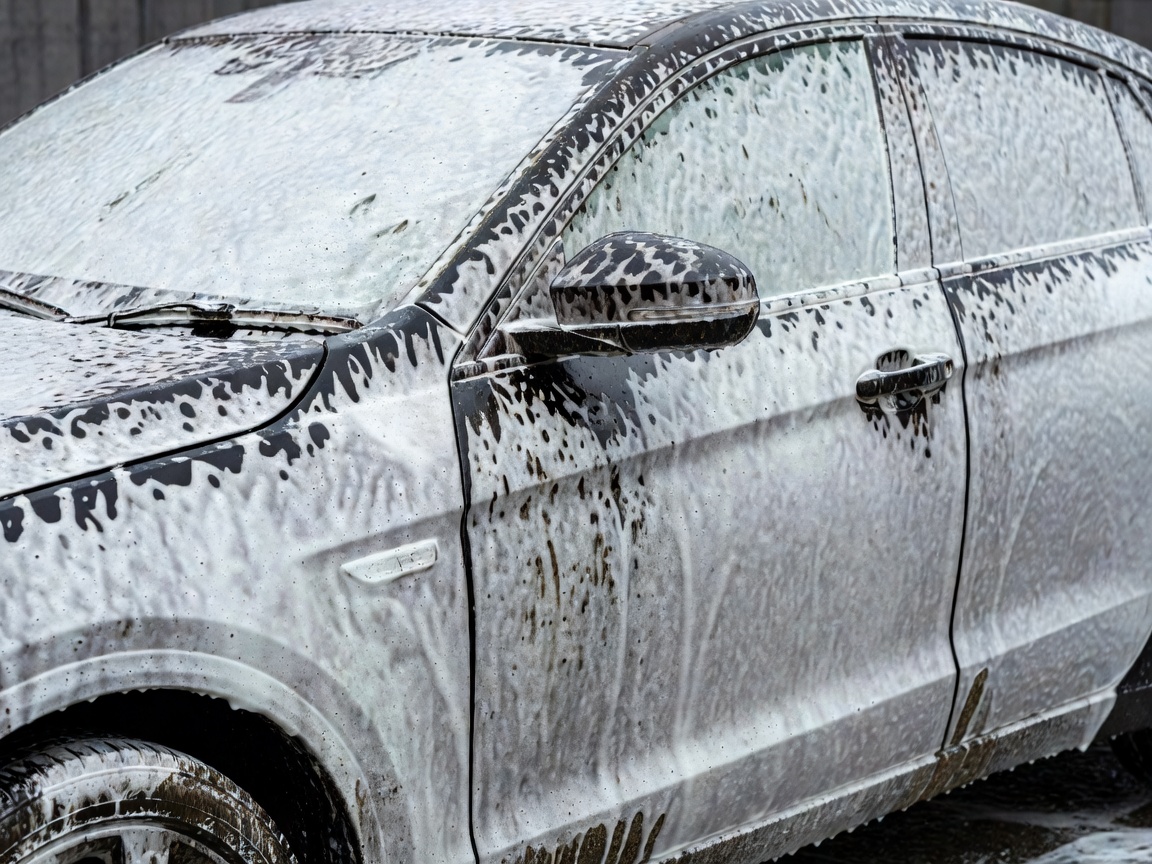
Before any wash mitt touches the paint, the vehicle receives a pre-wash. This usually involves a citrus-based cleaner for heavier grime followed by a snow foam. This dwells on the surface, softening and encapsulating dirt, which is then rinsed away under pressure.
2. Safe Contact Washing
We use dedicated wash media (typically microfibre) and employ multi-bucket methods with grit guards. This keeps the dirty rinse water separate from the clean shampoo solution, preventing cross-contamination and dragging grit back onto the paint.
3. Careful Drying
Hard water spots can etch into paint if left to dry naturally. We use plush, highly absorbent microfibre drying towels or forced air to clear water from panel gaps and surfaces safely, avoiding unnecessary scrubbing.